


Founded in 2017,BemoreOptics is a wholesale eyewear distribution company that specializes in providing a wide range of eyewear products. At BemoreOptics, we offer custom branding services,allowing clients to personalize their eyewear with their own brand logos and identity, enhancing their brand recognition.
Why Choose Us
Design Team
Our talented designers are always in sync with the latest trends, concentrating on developing distinctive eyewear styles and customized solutions that fulfill the unique needs of our clients.
Certifications
BemoreOptics is approved by CE, FDA, and BSCI. It has also passed a Walmart audit.
Design And Prototype Production
Based on the demands of the client, designers produce hand-drawn sketches or 3D models that depict the structure and look of the eyewear. Adjust the design to meet ergonomic, aesthetic, and functional requirements.
Brand Personalization
Add brand elements, such as logo engraving, printing, or heat transfer, according to customer requests. This is ideal for Bulk Order Sunglasses and Custom Sunglasses with logos. Custom packaging design, including eyewear cases, cleaning cloths, etc.


Product Categories
Latest Products


Advantages of Plastic Sunglasses
Most plastic-made eyeglasses have a molded bridge instead of a nose pad, which could offer better comfort when wearing. Nose pads tend to dig into either side of the nose and can even cause scratches over time.
Thick plastic frames make a bold fashion statement. It is also suitable for children because they can come in fun and colorful designs.
This type of specs is hypoallergenic. Anyone with metal allergies can safely wear plastic ones and not worry about developing skin irritations.
If you are near-sighted, hiding your bulky lens is possible with a plastic frame. It has thick edges that block your lenses from sight.
Plastic frames are more affordable and cost-effective.
What Is Plastic Sunglasses
Sunglasses or sun glasses (informally called shades or sunnies; more names below) are a form of protective eyewear designed primarily to prevent bright sunlight and high-energy visible light from damaging or discomforting the eyes. They can sometimes also function as a visual aid, as variously termed spectacles or glasses exist, featuring lenses that are colored, polarized or darkened.
If you plan on being outdoors for any length of time, plastic sunglasses are an essential accessory. While plastic sunglasses are fashionable, they are also practical. Many people fail to consider the shape of their faces when they are shopping for plastic sunglasses. It's important to choose plastic sunglasses that are complementary to your face's shape and features. You want to protect your eyes, but you want to look great while you do it!
If you have a round face, rectangular or square-shaped plastic sunglasses can add some angles to the curves. To balance soft features, choose frames a little wider than your face. Oversized plastic sunglasses can help make your face look slimmer and longer. To add more structure, keep the edges clean. However, if you have a square-shaped face, you want plastic sunglasses that can soften your features. Go for something large and round. Aviator plastic sunglasses are a great choice for a square face. You'll want to avoid plastic sunglasses with sharp lines and angles.
Rectangular-shaped faces tend to have sharp jawbones and features. Balance these features out by purchasing plastic sunglasses frames with softer curves. And for those with an oval-shaped face, you can wear anything, and it will look nice. The oval shape makes it easy to pair plastic sunglasses with the face.

Factors to Consider When Choosing Plastic Sunglasses Lens Material
Wearability
Size is a crucial factor when choosing the best lens material for plastic plastic sunglasseses. Generally, plastic plastic sunglasseses with more coverage material guarantees higher protection from UV light. When choosing oversize or wraparound lenses, remember to keep comfort in mind. When you find the perfect fit, you can confidently wear your plastic plastic sunglasseses for work or sports in the sun for long hours.
Durability
Durability and quality factors go hand in hand. Generally, two years is considered the best time to replace your plastic plastic sunglasseses if you want to keep safe from UV light exposure. While they might come at a higher cost, quality plastic plastic sunglasseses are effective, scratch resistant, and long-lasting.
Comfort
Finding the best plastic sunglasses material means choosing the one that fits comfortably and is perfect for your face shape. You want to opt for a lens material that caters to your needs. For instance, yours might be a lifestyle that demands more contrast or high outdoor protection, so you want a plastic sunglasses lens material that suits your needs.
Lens Color
Lenses come in numerous color options, including solid tints and gradient colors like brown, gray, or green. While color does not play a role in UV protection, it impacts visual contrasts. Some colors are known to improve contrasts, making them perfect options for athletes among other players engaging in sports such as swimming, golf, and baseball.
Lens Quality
Another crucial factor to consider is choosing the best plastic sunglasses lens material. The quality and tint are the key, so you should go for lenses with uniform tint rather than dark ones. Before purchasing, hold your lenses at arm's length in a straight line to check out imperfections. Move the lenses slowly along the straight line. If the lenses have a defect, the straight edge will sway, move, distort, or move. After all, low-quality plastic sunglasses lenses offer little to no protection from UV and are as good as wearing no plastic plastic sunglasseses at all.

How to Clean Your Plastic Sunglasses Lenses
First, thoroughly wash your hands with soap and water. This helps to make sure that no bacteria or viruses are transferred from your hands onto your plastic sunglasses, and also removes any oil from your fingers which could smudge or smear your lenses. Larger pieces of dirt or dust from your fingers can also scratch or damage your lenses – so it's best to start with clean hands.
Spray both sides of your lenses with a specialist lens cleaner to keep them clean, as well as minimising the risk of scratching. Gently rub your lenses with a lens cloth, wiping away the solution as you clean. Using a lens cleaner is a great option to make sure your lenses are streak-free, as there's no need to dry them off afterwards.
Although it's sometimes more convenient, avoid using paper towels, dishtowels or your clothing to wipe your lenses as they can often leave particles of dust or dirt on your lenses, causing micro-scratches. Find out more about removing scratches and smudges from your plastic sunglasses.
It's also important to avoid using any soaps or cleaners that contain ammonia or other strong chemicals. Your lenses are made up of specialist coatings that are sensitive to ammonia and other harsh chemicals found in household cleaners.
As tempting as it is, don't breathe onto your lenses to give them a little clean. You'll only end up creating more smears and smudges.
What are the Components of a Plastic Sunglasses
Lenses
Plastic sunglasses lenses are one of the easiest parts of glasses to identify. They're the transparent, curved pieces of glass or plastic that are placed in the frame of plastic sunglasses to protect the eyes from harmful UV rays and glare from the sun.
The quality and type of lens used in plastic sunglasses can greatly affect the wearer's visual clarity, comfort, and eye protection, making it an important consideration when selecting a pair of plastic sunglasses.
Frame Front
The plastic sunglasses frame front refers to the part of the plastic sunglasses that holds the lenses in place and sits on the front of the face. It includes the bridge, which is the piece that rests on the nose, and the lens rims, which hold the lenses securely in place.
Nose Pads
Nose pads are the part of the plastic sunglasses that rest on your nose. They are designed to provide a comfortable and secure fit by distributing the weight of the plastic sunglasses across the bridge of the nose, reducing pressure and preventing slipping.
In acetate frames, these are built into the frame front, but in metal frames, they are attached to the frame front by nose pad arms and can be adjusted.
Nose Pad Arm
Nose pads arms are carefully soldered to the frame front of metal frames and are designed to be gently adjusted to help keep frames from sliding down your nose.
It's always a good idea to visit an optician to ensure the nose pads arms (among other frame parts) are well-adjusted to your individual face.
Hinges
Plastic sunglasses hinges are the opening and closing mechanism of the frame. They connect the temples (or arms) of the plastic sunglasses to the frame front.
Properly functioning hinges are essential to the wearability and longevity of plastic sunglasses, making them an important component of the overall design.
Bridge
An eyewear bridge is the small piece that connects the two lens rims of eyeglasses or plastic sunglasses. The bridge helps to provide stability and support for the eyewear.
Bridges can be made from various materials, such as metal or acetate, and are made in different shapes and sizes to fit different nose shapes, and enhance the style of the plastic sunglasses.
A well-designed bridge is important for the overall comfort and stability of eyewear.
Lens Rim
Plastic sunglasses lens rims are the frames that hold the lenses in place and surround the perimeter of the lenses. The lens rims are an essential component of plastic sunglasses, as they provide stability and support for the lenses, ensuring that they stay in place and do not fall out.
Top Bar or Brace Bar
Styles such as aviators feature a top bar above the bridge. This bar adds extra stability to the frames, essential for styles that were first developed to withstand use by the military and pilots.
Screws
Plastic sunglasses screws hold the various components of plastic sunglasses together. You'll find screws in plastic sunglasses hinges, as well as on the lens rim of metal styles.
Removable screws allow for easy repairs or adjustments. The quality and durability of plastic sunglasses screws can greatly affect the overall functionality and lifespan of the plastic sunglasses, making them an important consideration when selecting or repairing plastic sunglasses. AO screws feature a vinyl sleeve to prevent them from loosening over time with daily wear.
The Importance of Recycling Plastic Sunglasses
Plastic materials take centuries to break down. So, imagine how long it would take for our planet to recover? It would take hundreds of years if we keep filling it with wastes? Without taking action, these harmful materials can clog landfills. It can overburden waste-processing facilities as well.
Recycled plastic sunglasses alone can help the environment. Plus, it creates new economic opportunities as well. This small act encourages businesses to develop innovative solutions through eyewear.
Lessen the burden on the environment.
Plastic materials do not degrade as paper, cardboard, and wood. So, plastics can accumulate and create pollution that destroys our lives. This trash will become a nuisance and hazard to all living things.
So, recycled plastic sunglasses is one way to reduce this burden. Recycling transforms plastics into new items. It takes plastic materials out of landfills. So the planet can heal and the next generations can breathe fresh air.
It offers innovative and safe uses.
Producers must think beyond the box when using recycled plastics. For example, eyewear suppliers have resorted to recycled plastics. This process helps to develop natural awareness. Plus, it promotes creative thinking and problem-solving.
Recycling helps in draining fuel consumption.
It can reduce the reduction of fossil fuel consumption. Did you know that producers use about 191 million barrels of crude oil in making plastics every year? It keeps on increasing because of higher demands from different industries.
So, recycled plastic sunglasses save energy. It lessens the need to produce new materials. So, it lowers the heat from the production that harms the planet. Recycled plastic saves 7,200 kilowatt-hours of power. It is enough to power a household for seven months.
Recycled plastic sunglasses reduce pollution.
Greenhouse gases are contributors to rising levels of pollution. They are the main force behind climate change. It is an issue that the entire world is attempting to address today.
For example, burning petroleum produces polymers. The problem is that it emits a significant amount of greenhouse gases. This element harms the planet.
Plastic wastes are responsible for the death of thousands of animals. It includes living organisms on land, water, and air because of ingestion. Plus, it emits hazardous chemicals that can poison all living organisms.
Plastic recycling reduces greenhouse gas emissions. A reduced quantity of plastic waste will result from recycling plastic. Your business can help in reducing pollution. Plus, you can help save many important living species. It includes all plants, animals, and humans.
Recycled plastic sunglasses save fast-depleting landfill space.
Landfill sites are getting full because of the expanding human population. Habitable land is becoming more precious with each passing day. Let’s say that one pair of recycled sunglasses needs at least five pieces of plastic waste. So imagine how much space recycled eyewear can make? Reusing and recycling can save a lot of landfill spaces.
Making recycled plastic sunglasses requires less energy.
The production of recycled plastic sunglasses doesn’t need new resources. It would consume less energy used and less heat emitted to the surroundings. There would be no need to produce raw materials. It means you can help conserve natural resources as well.
Certificate

Our Factory
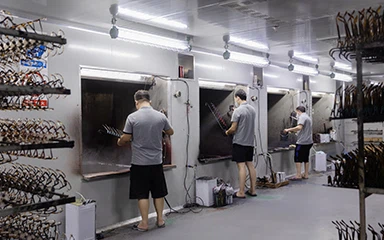
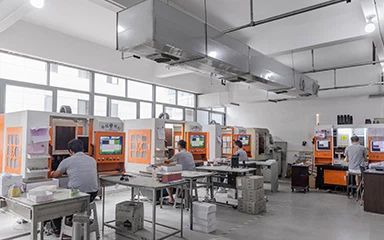
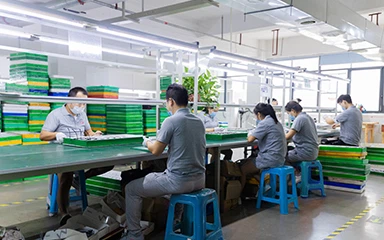
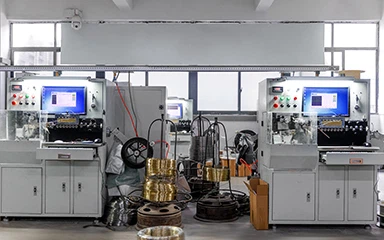
Our factory, with over 200 experienced workers, covers more than 6000m2 and has a monthly output of 150,000pcs. With CE, FDA, BSCI, and Walmart audit certifications, we primarily focus on the European and American markets.




fAQ
Q: Are plastic sunglasses good?
Q: Is it OK to wear plastic glasses?
Q: Are polarized sunglasses plastic?
Q: What plastic is used for sunglasses?
Q: Is polarized glass or plastic better?
Q: Is it better to have glass or plastic lenses?
Q: Why can't you drive with polarized sunglasses?
Q: When should you not wear polarized sunglasses?
Q: Are plastic sunglasses safe?
Q: Do eye doctors recommend polarized sunglasses?
Q: What color polarized sunglasses are best for driving?
Q: Is it illegal to wear sunglasses while driving at night?
Q: How much should I pay for polarized sunglasses?
Q: Are expensive sunglasses worth it?
Q: Do I really need polarized sunglasses?
Q: Which is better UV or polarized sunglasses?
Q: Why do people buy expensive sunglasses?
Q: Are polarized sunglasses better for driving?
Q: Does driving without sunglasses damage your eyes?
Q: How dark should sunglasses be for driving?
We're professional plastic sunglasses manufacturers in China, specialized in providing high quality customized service. We warmly welcome you to wholesale bulk high-end plastic sunglasses from our factory. Contact us for more details.
Bifocal Reading Glasses Sunglasses